

Difference Between Industrial Grade and Drilling Grade Barite + Guide to Selecting the Right Barite for Your Project

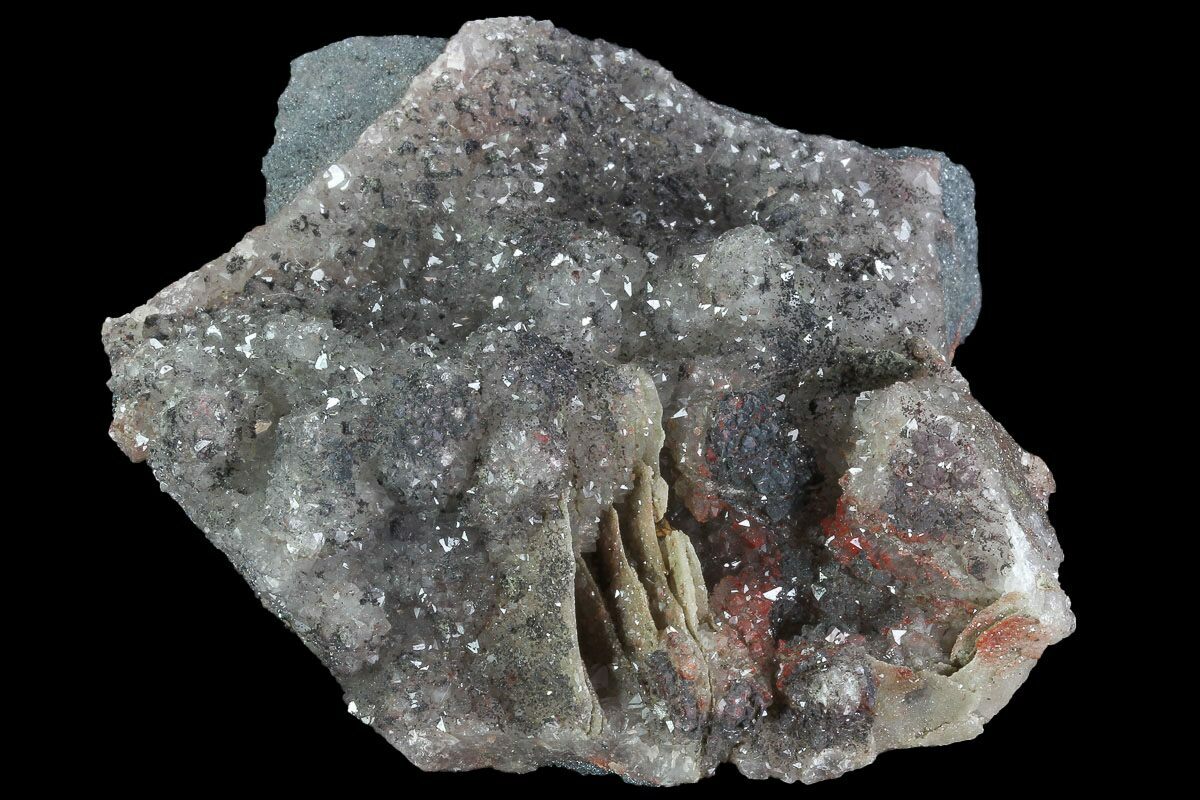
In industrial projects—particularly in the oil, gas, and related sectors—operational success is not limited to advanced equipment and skilled human resources alone. The informed selection of raw materials plays a decisive role in project safety, quality, and productivity. One of the most widely used yet sensitive mineral materials in this field is barite—a substance valued for its high density and chemical stability, applied across diverse industries. However, a hidden challenge in many projects is the lack of precise understanding of the difference between industrial grade barite and drilling grade barite—a gap that can lead to increased operational costs, reduced process efficiency, and even technical and safety risks.
Given that every industrial project requires precise technical specifications tailored to its application, using barite that does not match project requirements not only fails to deliver technical value but may also adversely affect the performance of the entire system. Therefore, familiarity with the characteristics, standards, and distinctions of each barite grade has become a professional necessity for engineers, project managers, and professionals in mining and industry. In this article from the Raees Industrial Group website, we aim to scientifically and transparently examine the difference between industrial and drilling grade barites, followed by a specialized guide for selecting the appropriate barite based on project type—a guide designed to support more accurate decision-making and reduce execution risks.
What Is Barite and Why Is It Graded?
Barite (Barium Sulfate – BaSO₄) is a mineral characterized by high density, chemical stability, and insolubility in water. These properties make barite valuable across industries such as oil and gas, paints, plastics, rubber, medical imaging, and chemical manufacturing.
Due to this diversity of applications, barite is classified into different grades based on purity, particle size, density, and consumption standards—the most important being industrial grade barite and drilling grade barite.
What Is Drilling Grade Barite?
Drilling grade barite is a high-purity barite specifically processed for use in drilling fluids for oil and gas wells. Its primary function is to increase mud density and control formation pressure. Thanks to its high density, chemical stability, and water insolubility, this barite enables equilibrium between drilling fluid pressure and geological formation pressure, preventing unwanted blowouts and borehole wall instability. Drilling grade barite must be produced in compliance with international API standards and feature uniform particle size distribution and minimal impurities to ensure even dispersion in the mud and maintain the rheological properties of the drilling fluid under various operational conditions.
What Is Industrial Grade Barite?
Industrial grade barite is a processed form of barite used in non-drilling industries such as paints, plastics, rubber, papermaking, glass, and chemical manufacturing. In this grade, the focus lies on properties such as appropriate whiteness, controlled particle size, texture uniformity, and compatibility with industrial formulations—not necessarily ultra-high density. Industrial grade barite acts as an effective mineral filler, improving the physical properties of the final product, increasing specific weight, reducing production costs, and enhancing both aesthetic and functional quality—while its standard requirements are less stringent compared to drilling grade barite.
What Are the Key Differences Between Industrial and Drilling Grade Barite?
Although industrial and drilling grade barites originate from the same mineral source, they differ fundamentally in application, technical specifications, and quality requirements. Below, we examine the most important distinctions between these two barite grades from technical, standard, and application perspectives.
Difference in Application
Drilling grade barite is exclusively designed for use in oil and gas well drilling fluids, with the role of controlling formation pressure, increasing mud weight, and ensuring drilling safety. In contrast, industrial grade barite is used across various industries such as paints, plastics, rubber, paper, and glass—primarily as a mineral filler to improve physical properties and reduce production costs. This difference in application forms the basis of distinction between the two barite grades.
Difference in Quality Standards
Drilling grade barite must be manufactured according to strict international API standards covering density, particle size distribution, and impurity levels—standards established to guarantee safe drilling fluid performance. Industrial grade barite, on the other hand, is typically produced based on internal or industry-specific standards, with less stringent requirements compared to drilling grade.
Difference in Density and Specific Gravity
High density is one of the most critical features of drilling grade barite, as it directly impacts formation pressure control and blowout prevention. This type of barite typically has a minimum density of 4.2 g/cm³. In industrial grade barite, high density is not always the priority; depending on the end application, barite with lower density may be acceptable.
Difference in Particle Size Distribution
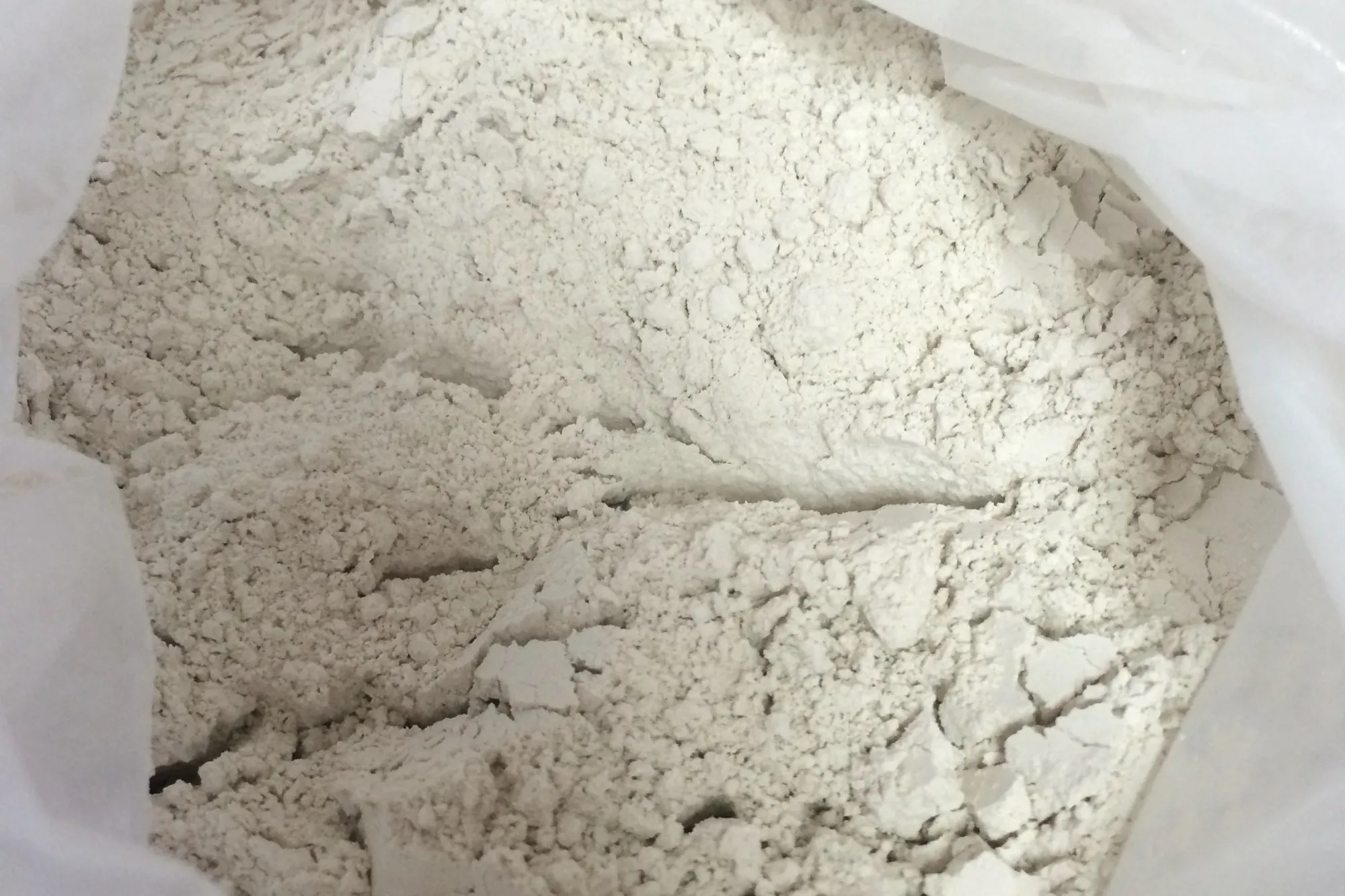
Particle size in drilling grade barite must be highly uniform and controlled to prevent rapid settling in the drilling mud and to preserve the mud’s rheological properties. In industrial grade barite, particle size varies according to application needs—from coarse to ultra-fine—without necessarily compromising final product performance.
Difference in Impurity Levels
In drilling grade barite, impurities such as iron, silica, and heavy metals must be minimized, as their presence can cause drilling equipment abrasion and disrupt mud performance. In industrial grade barite, impurity limitations are more flexible; depending on the application, certain impurities may have negligible impact on product functionality.
Difference in Price and Production Process
The production and processing of drilling grade barite is more complex and costly due to strict standard compliance, continuous quality control, and specialized testing—resulting in a higher price compared to industrial grade barite. Industrial grade barite, with its simpler processing and flexibility in technical specifications, is generally offered at a more economical price and is more cost-effective for general industrial applications.
Conclusion
Through this article from the Raees Industrial Group website, we have seen that barite, despite sharing the same mineral nature, exhibits distinct applications, technical specifications, and quality requirements across industrial and drilling grades. Drilling grade barite—due to its need for high density, uniform particle size, and compliance with stringent API standards—plays a vital role in pressure control and drilling safety. Industrial grade barite, meanwhile, is primarily used as an effective filler across various industries, focusing on physical property enhancement and economic feasibility.
Ultimately, selecting the correct barite grade according to project type, operational conditions, and technical requirements can directly impact efficiency improvement, cost reduction, and prevention of technical issues. This analysis demonstrates that professional knowledge and collaboration with reputable suppliers pave the way for informed decision-making and successful project execution