

Applications of Sodium Bentonite in Civil Engineering: Dam Waterproofing, Tunnels, and Grouting


In modern civil engineering, controlling water infiltration and ensuring the stability of hydraulic and subsurface structures is one of the biggest challenges. Water infiltration in dams, tunnels, and underground spaces can cause reduced material durability, uneven settlements, creation of unbalanced pressures, and increased maintenance and repair costs. Civil engineers, to cope with these problems, seek to use mineral materials with rapid swelling capability, suitable viscosity, and high chemical resistance that can effectively fill soil and concrete voids and prevent water infiltration.
Among these, sodium bentonite, due to its special crystalline structure and high swelling ability in the presence of water, has become a key material in waterproofing, tunneling, and grouting projects. This mineral material is able to fill soil and concrete structure voids by creating a stable and impermeable gel and ensure structural stability, material durability, and operational safety. In this article from the Raees Industrial Group website, an attempt has been made to examine the features, performance, and applications of sodium bentonite in civil engineering, especially in dams, tunnels, and grouting operations, and to provide implementation points for optimal use of this material.
Introduction to Sodium Bentonite and Its Features
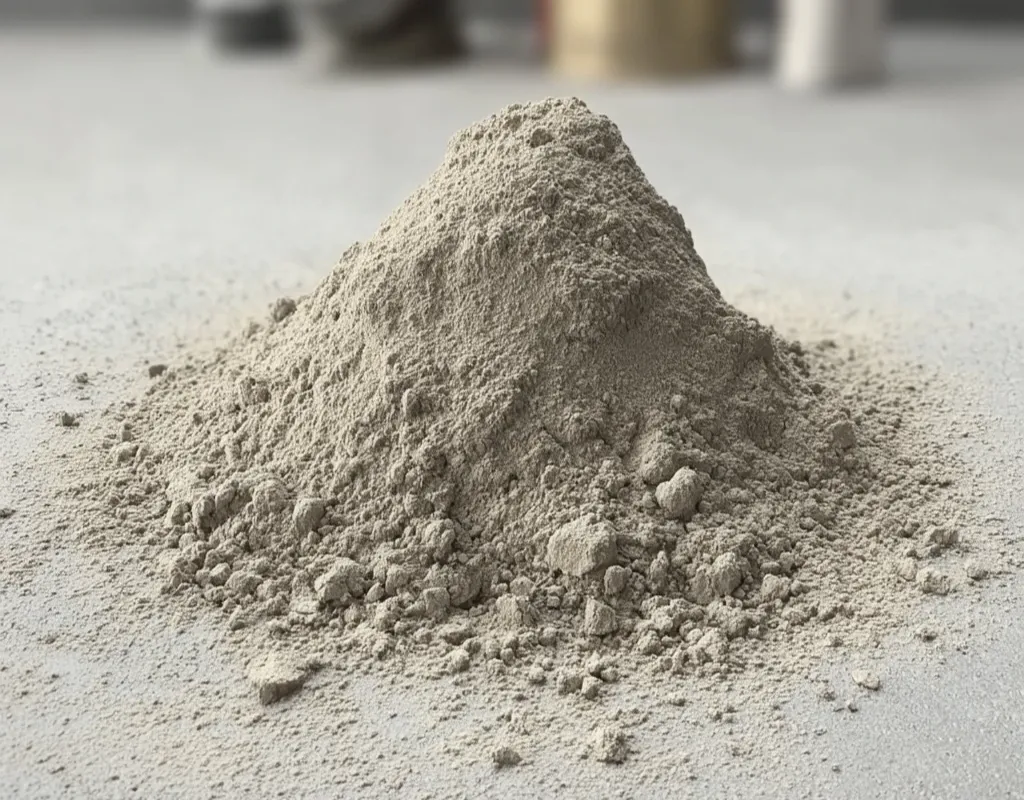
Sodium bentonite is a type of active clay mainly composed of montmorillonite mineral and, due to its specific crystalline structure, has the ability to absorb water and significant swelling. This feature causes sodium bentonite to easily increase its volume in the presence of water and form stable and viscous gels that have widespread applications in civil engineering, especially in waterproofing and grouting projects.
Key features of sodium bentonite include:
- High swelling power: Provides the possibility of filling soil and concrete voids and plays an effective role in reducing permeability.
- Suitable viscosity: Formation of a stable gel that has the ability to suspend particles and maintain uniformity in mortars and grouting.
- Chemical stability: Resistance against acidic and alkaline conditions and maintaining physical properties in variable environments.
- Compatibility with chemical additives: Possibility of combining with other materials to improve physical and rheological properties of slurry or mortar.
- Ease of use and mixing: Ability to mix easily with water and other compounds to produce drilling mud or injection mortar with desirable specifications.
Due to these features, sodium bentonite has become one of the key and irreplaceable mineral materials in projects that require water infiltration control, increased soil stability, and stabilization of subsurface structures.
What are the Applications of Sodium Bentonite in Civil Engineering?
The applications of sodium bentonite in civil engineering are very extensive and vital and play a key role in waterproofing, soil stabilization, and grouting of subsurface structures. In the following, we will examine the most important applications of this mineral material and its role in civil engineering projects.
1. Dam Waterproofing
Sodium bentonite, due to its high swelling power and ability to form impermeable gels, plays a vital role in waterproofing earth and concrete dams. This mineral material, by filling soil or concrete voids, blocks possible water infiltration paths and prevents underground leaks. Using sodium bentonite increases the hydraulic resistance and durability of the dam and prevents internal erosion caused by water flow. Also, reducing permeability helps stabilize lateral pressure and prevent uneven settlements. Utilizing this material in dam waterproofing layers reduces maintenance and repair costs and increases the structure’s lifespan.
2. Tunnel Waterproofing
In tunneling projects and underground infrastructures, sodium bentonite protects the tunnel wall by creating stable and viscous drilling mud. The gel formed by sodium bentonite fills soil and rock voids around and prevents water entry into the tunnel. This performance reduces the risk of soil settlement and wall collapse and ensures drilling operation safety. Also, using sodium bentonite provides the possibility of executing deep tunnels with high lateral pressures. Combining this material with grouting injection systems maximizes structural stability and water pressure control.
3. Grouting and Mortar Injection
Sodium bentonite acts as a main component of injection mortars in grouting operations and completely fills soil or concrete voids. This material increases soil and structure stability and minimizes permeability. In addition, the high swelling power and viscosity of sodium bentonite causes uniform distribution of mortar in all pores and prevents the creation of empty spaces. Correct use of this material in grouting guarantees the long-term performance of subsurface structures and reduces uneven settlements. This application is of special importance in dam construction, tunneling, and soil stabilization projects.
4. Water Infiltration Control in Infrastructures
In deep foundations, underground parking lots, and reservoirs, sodium bentonite, by creating an impermeable and stable layer, prevents water and moisture infiltration into the structure. This feature reduces problems caused by lateral water pressure, material erosion, and uneven soil settlement. Using sodium bentonite in these projects increases the durability and safety of subsurface structures and prevents damages caused by water infiltration. In addition, this material has the ability to combine with chemical additives to adjust viscosity and swelling.
5. Increasing Soil Stability and Reducing Settlement
Sodium bentonite improves the stability of soft and sandy soils by increasing adhesion and creating a stable gel. This material, by filling soil voids and increasing cohesion between particles, prevents uneven settlements and ground movement. The application of sodium bentonite in foundations and subsurface structures causes the load applied to the soil to be distributed uniformly. This performance also helps increase the structure’s useful life and reduces the need for frequent repairs. Using this material in construction projects ensures the quality and stability of construction.
6. Protection of Hydraulic Structures
Dams, canals, and hydraulic structures are exposed to internal erosion and permanent water pressure. Sodium bentonite, by forming an impermeable layer and stable gel, reduces water infiltration and prevents internal erosion. This material also controls unbalanced pressures caused by water flow and causes increased lifespan and durability of hydraulic structures. Using sodium bentonite in these projects reduces maintenance costs and increases operational safety.
7. Application in Leak-proof Coatings and Retaining Walls
In retaining walls, tunnels, and protective coatings, sodium bentonite, by filling voids and creating an impermeable layer, prevents water and moisture passage into the structure. This feature causes increased material durability and reduces the risk of damages caused by moisture. Also, the swelling power of sodium bentonite causes complete sealing in cracks and empty spaces. This performance is of vital importance for subsurface projects and protective structures.
8. Soil Stabilization in Subsurface Operations and Tunneling
In drilling and tunneling, sodium bentonite stabilizes soil and rock around the structure by increasing viscosity and forming gel. This material prevents wall collapse, uneven settlements, and soil collapse. Using sodium bentonite causes drilling operations to be performed with high safety and minimal disruption. This application plays an important role in controlling geological hazards and increasing structure durability in subsurface projects, metro tunnels, and water transmission canals.
Conclusion
By studying this article from the Raees Industrial Group website, it was found that sodium bentonite, due to its high swelling power, suitable viscosity, and chemical stability, is one of the key and irreplaceable mineral materials in civil engineering. Using this material in dam waterproofing, tunnels, grouting, and soil stabilization projects causes reduced water infiltration, increased soil and material stability, and increased durability of subsurface structures.
Sodium bentonite, by filling voids, creating an impermeable layer, and forming a stable gel, prevents uneven settlement, internal erosion, and damages caused by water pressure. Correct utilization of this mineral material, in addition to increasing project safety and durability, helps reduce maintenance and frequent repair costs and guarantees the execution of stable and resistant structures in the long term.