

The difference between granular and powdered calcium chloride + which type is more suitable for deicing and dust control?

In many regions, the freezing of surfaces and the spread of dust have become serious challenges affecting safety, productivity, and the environment. Slippery roads, reduced driver visibility, and damage to industrial equipment not only pose life-threatening risks but also significantly increase operational and maintenance costs. In industrial and mining environments, dust can reduce equipment lifespan, cause respiratory issues for workers, and degrade product quality. Therefore, selecting effective materials and methods to address these challenges is both a practical and scientific necessity.
Calcium chloride, with its unique properties—including high hygroscopicity, ability to lower water’s freezing point, and rapid dissolution under diverse environmental conditions—is regarded as one of the most important solutions for de-icing and dust control. However, its different physical forms—granular and powder—exhibit notable differences in performance, speed of action, and safety. Incorrect usage or improper selection of calcium chloride form may reduce effectiveness, waste product, and even cause environmental harm.
In this article from the website of Rais Industrial Group, we aim to precisely examine—through a structured approach—the differences between granular and powder Calcium Chloride, their respective advantages and limitations, and provide a practical selection guide for de-icing and dust control applications. The goal is to empower engineers, operations managers, and industrial professionals to make optimal, low-risk decisions and fully leverage calcium chloride’s benefits in their projects.
What is Calcium Chloride?
Calcium Chloride (CaCl₂) is a white, odorless mineral salt widely used across industries due to its unique physical and chemical properties. It features high moisture absorption capacity, rapid water solubility, and strong de-icing capability, making it ideal for winter road management and industrial settings. Calcium chloride is produced primarily in powder and granular forms, each with distinct characteristics and applications. Beyond industrial use, it also plays key roles in food processing, agriculture, and environmental management. Its application in de-icing and dust suppression enhances safety, reduces costs, and improves equipment performance. Thanks to its fast dissolution and lasting effect, it has become a vital raw material in road maintenance and industrial operations.
Differences Between Granular and Powder Calcium Chloride
Calcium chloride is manufactured in two main forms—granular and powder—each suited to specific conditions. Below are the key comparative aspects:
Physical Form and Particle Size
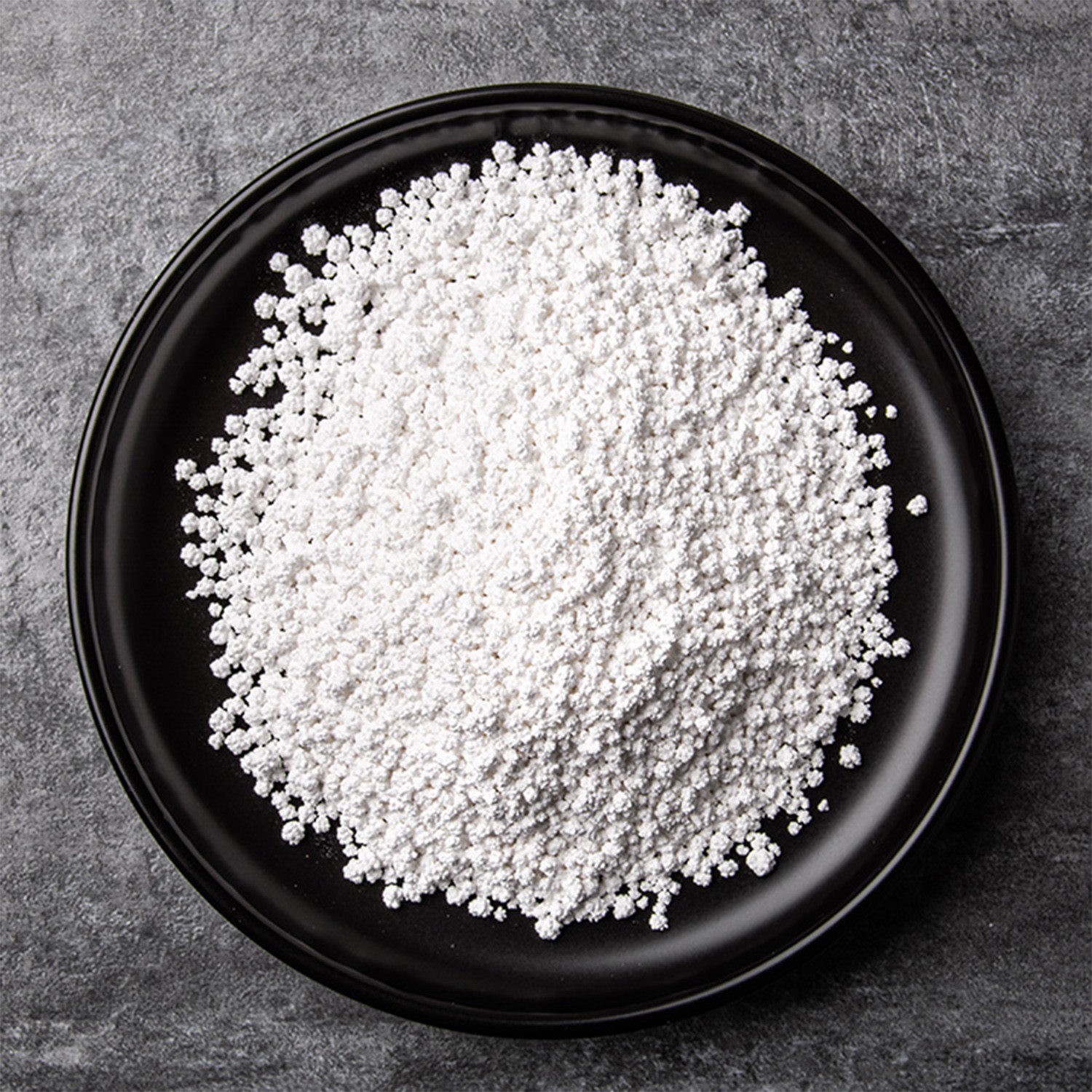
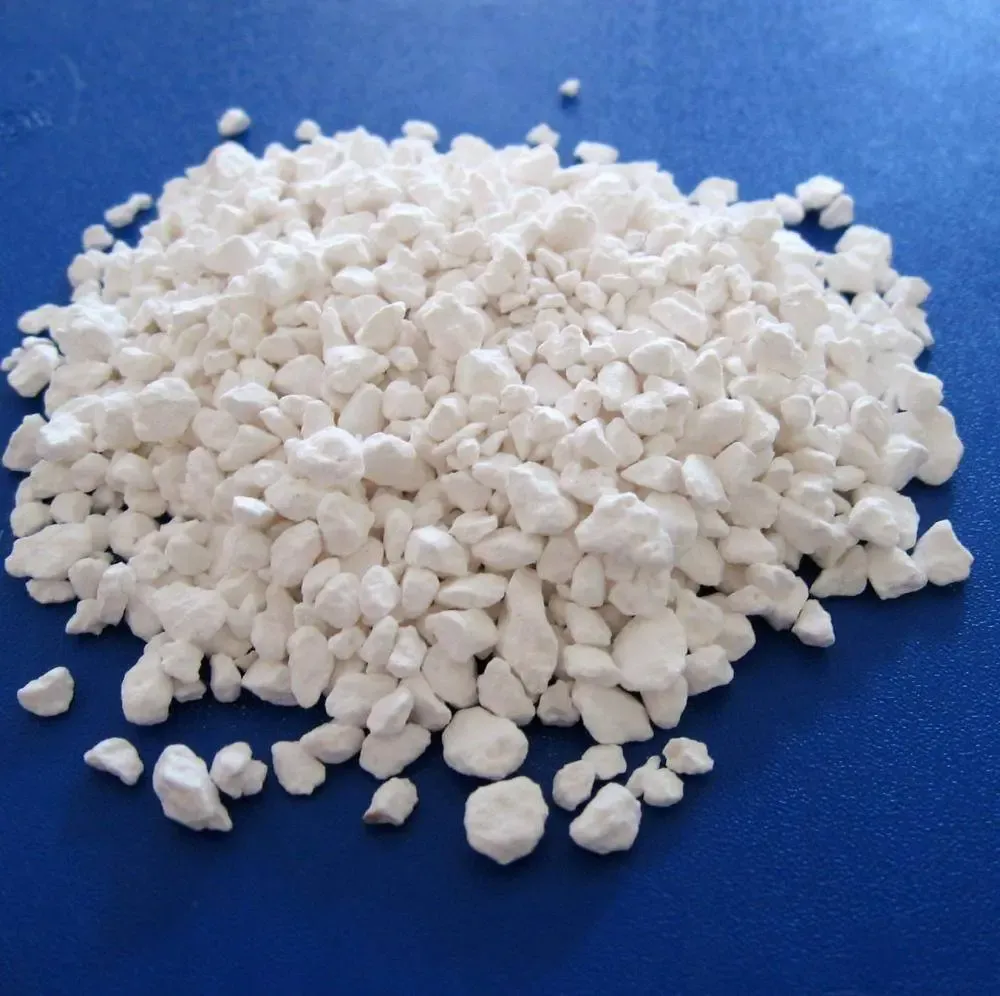
Granular calcium chloride consists of coarse, dense pellets enabling uniform surface distribution. Powder form contains fine, dispersed particles prone to scattering by wind or during transport, increasing waste risk. This physical distinction directly impacts dosage precision, de-icing efficiency, and ambient dust levels. Selecting the appropriate form based on environmental and project requirements is critical for operational success.
Dissolution Speed in Water
Powder Calcium Chloride, with greater surface area, dissolves rapidly, delivering immediate de-icing action. Granules dissolve more slowly, providing longer-lasting and stable surface effects. Thus, granules suit extensive or prolonged de-icing needs, while powder is ideal for urgent, short-term applications. Reaction time and use case dictate the optimal form.
Dust Generation
Powder calcium chloride generates more airborne dust due to its light, fine particles, potentially causing respiratory issues and environmental contamination. Granules, with their compact structure, produce minimal dust and are safer for high-traffic and industrial zones—highlighting the importance of form selection in sensitive or large-scale projects.
Stability and Storage
Granules resist moisture absorption and caking, simplifying storage in humid conditions. Powder readily absorbs ambient moisture, forming hard lumps that complicate handling and application. This difference affects long-term storage feasibility, operational costs, and usability.
Dosage Control and Uniform Distribution
Granules allow precise dosing and even spreading due to consistent size and weight. Powder’s tendency to disperse makes accurate measurement difficult, risking under-application or product loss—especially critical in large-scale roadways or industrial sites requiring controlled deployment.
Practical Application and Suitability
Granules—thanks to gradual dissolution, stability, and low dust emission—are ideal for long-term de-icing, open-area dust control, and high-traffic zones. Powder calcium chloride suits rapid-response de-icing, short-duration tasks, or confined spaces requiring instant effect. Choosing the right form based on operational and environmental needs significantly enhances effectiveness, safety, and cost-efficiency.
Conclusion
This article from Rais Industrial Group clarifies that both granular and powder Calcium Chloride offer distinct benefits, and selecting the correct form directly influences de-icing performance, dust management, environmental safety, and operational expenditure.
Powder calcium chloride is optimal for immediate-effect scenarios in small or enclosed settings due to its fast dissolution. Granules, with sustained action, uniform coverage, and minimal dust, are the preferred choice for extended applications, wide roadways, and busy environments.
Thoughtful, informed use of either form boosts effectiveness, minimizes waste, elevates safety, and improves operational productivity—enabling engineers and managers to make practical, economical, and sustainable decisions for industrial and infrastructure projects.